
Indrayani Rice — Sourcing UNESCO Heritage Grain From Pune's Paddy Fields
Heritage Grain · GI-Tagged Rice

Indrayani Rice — Sourcing UNESCO Heritage Grain From Pune's Paddy Fields

How Triune Trades LLP sources premium GI-tagged Indrayani rice directly from Pune's heritage paddy fields. This UNESCO-recognized aromatic grain connects ancient farming traditions with modern global markets across North America, Europe and Asia.

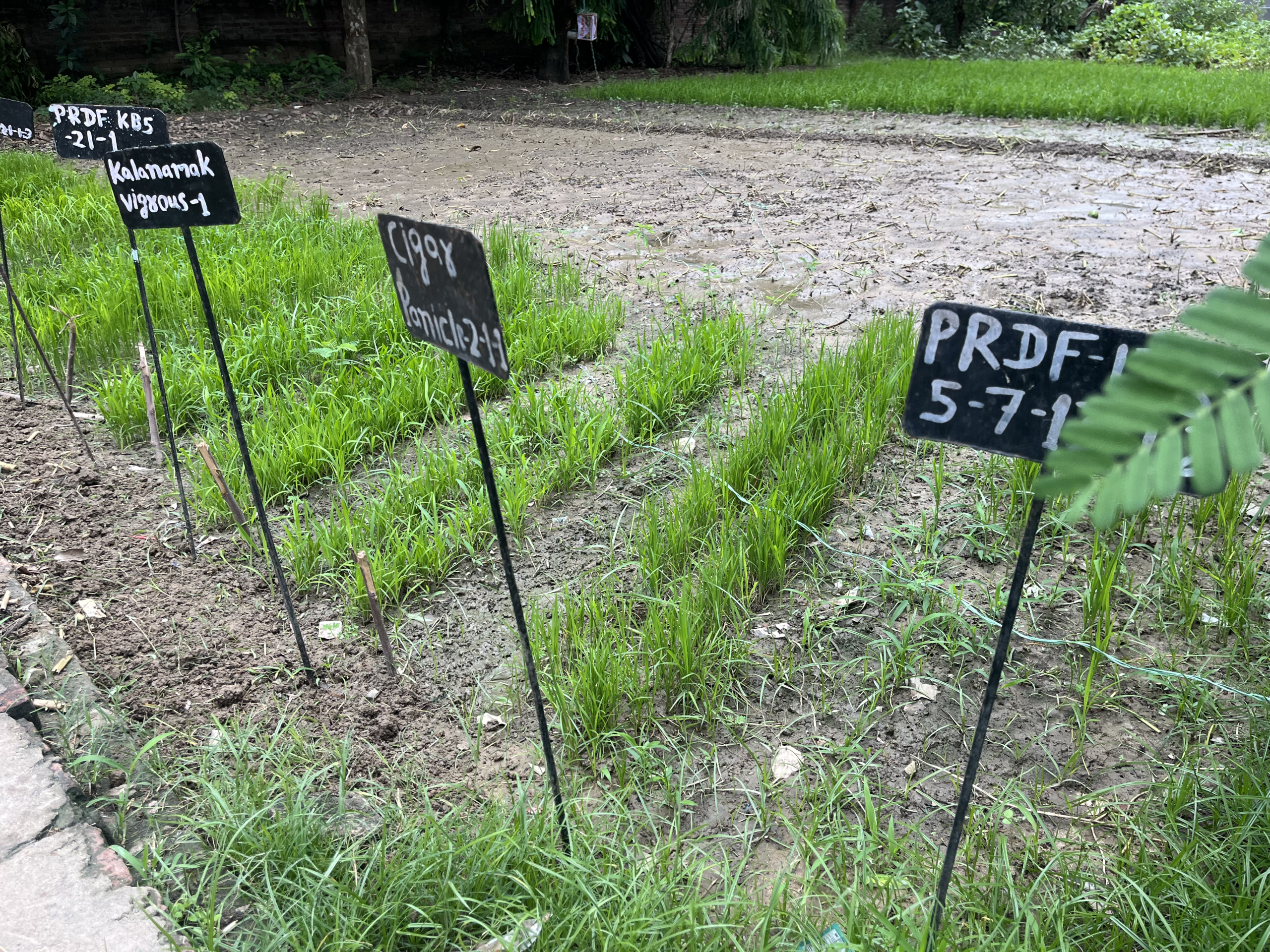
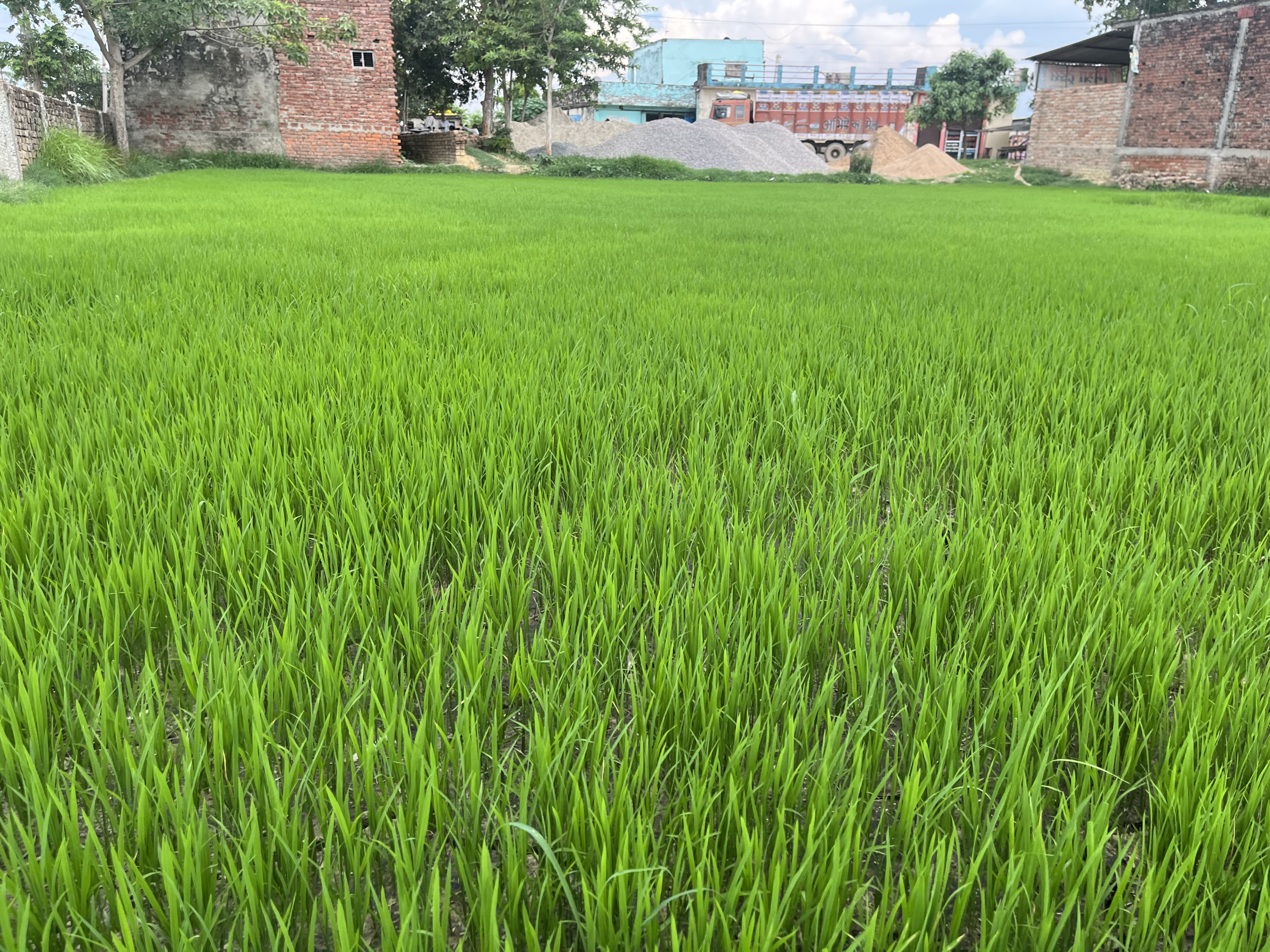
GI-tagged Indrayani rice paddy fields in Pune, Maharashtra — Triune Trades heritage grain sourcing

500+ Years

Indrayani rice cultivation heritage

UNESCO

Recognized heritage grain variety

GI Protected

Geographical Indication status India

3,200 Ha

Cultivation area across Pune, Nashik

Heritage & History

The Heritage of Indrayani Rice — 500 Years of Agricultural Tradition

Indrayani rice is not just another commodity crop — it is a UNESCO-recognized heritage grain with over 500 years of continuous cultivation in the Pune and Nashik districts of Maharashtra. The rice derives its name from the Indrayani River, the lifeline of Pune's agricultural heartland, whose waters have nourished these paddies through centuries.

The history of Indrayani rice is woven into the fabric of Maharashtrian agriculture. Named by the Mughal emperors and celebrated in ancient Sanskrit texts, this variety has been protected by farmers across generations through oral tradition and careful seed selection. What was once grown only for local consumption and temple offerings has now emerged as a globally recognized heritage grain commanding premium prices in international gourmet markets.

The Geographical Indication (GI) protection granted to Indrayani rice in 2010 was not merely a bureaucratic recognition — it was a validation of centuries of authentic cultivation and a commitment to preserving its purity. Today, only rice grown in the notified districts of Pune and Nashik under prescribed traditional methods can be labeled as Indrayani rice.

Indrayani rice paddy field inspection — Triune Trades direct sourcing from Pune farmers
On The Ground

Walking The Heritage Fields — Understanding Terroir At Farm Level

We visit Indrayani paddy fields during planting, growth and harvest seasons. These visits are not procurement visits — they are learning journeys. We observe water management practices, soil composition, climate patterns and farmer expertise that create the distinct aromatic profile this grain is known for.

Protected Designation

What Does GI-Tagged Indrayani Rice Mean?

Geographical Indication (GI) protection is awarded to products with a strong connection to their geographic origin. For Indrayani rice, GI status means:

  • Authenticity guarantee: Only rice grown in the notified Pune and Nashik districts can legally be sold as Indrayani rice
  • Quality assurance: Cultivation methods must follow traditional practices tied to the region's terroir and climate
  • International protection: GI status extends to many countries, preventing counterfeit Indrayani rice in global markets
  • Premium pricing: GI status justifies higher prices for authenticated heritage grain
Geography & Climate

Pune's Terroir — Why Geography Creates This Unique Aromatic Grain

The distinctive character of Indrayani rice cannot be separated from Pune's geographic and climatic profile. The region's altitude (600-650m above sea level), monsoon patterns, soil composition and water sources create conditions found nowhere else on Earth.

  • The Indrayani River: This river feeds the paddy fields, bringing mineral-rich water and creating microclimates that influence grain development.
  • Laterite & Red Volcanic Soil: Naturally rich in iron and organic matter, creating nutrient-dense conditions that enhance the grain's flavor complexity.
  • Monsoon & Temperature: Pune receives 600-700mm rainfall, concentrated in June-September. The post-monsoon drying phase creates ideal conditions for grain maturation.
  • Altitude Effect: The moderate elevation slows grain development, allowing slower sugar accumulation and deeper flavor development.
Farm Direct Approach

How Triune Trades Sources Indrayani Rice — Direct From Heritage Farmers

Most Indrayani rice in the market passes through multiple trading layers, each adding cost and introducing quality uncertainty. Our approach is fundamentally different: we work directly with farming families who have cultivated this rice for generations.

Our sourcing process begins with understanding the farmer — their knowledge, their commitment to heritage practices, and their care for seed purity. We visit farms at multiple stages: during planting to verify seed selection, during growth to monitor crop health, and during harvest to assess grain maturity.

This direct relationship allows us to achieve something impossible through traditional supply chains: complete traceability and quality assurance at source level. When an international buyer asks "Where did this rice come from?", we can tell them the farmer's name, show them photos from their field, and explain the growing practices.

Sensory Profile

Indrayani Rice Characteristics — Flavor, Aroma & Culinary Properties

Aromatic Profile

Distinctive floral-earthy fragrance with subtle herbal notes. Unlike basmati's sharp fragrance, Indrayani offers a softer, more complex aromatic experience that intensifies during cooking.

Grain Length & Texture

Medium-grain (6.5-7mm), slightly shorter than basmati. When cooked, grains remain distinct but develop a subtle firmness prized in traditional Maharashtrian cuisine.

Flavor Notes

Subtle nutty undertones with slight sweetness. The flavor is delicate rather than pronounced, allowing it to complement traditional spice profiles.

Culinary Versatility

Perfect for traditional Indian cuisine (biryani, pulaos, khichdi), risotto-style preparations, and gourmet applications. Works well with both traditional and fusion cooking.

Nutrition Profile

Higher in amino acids and minerals compared to common rice. Contains significant amounts of fiber, B vitamins and mineral content due to heritage variety genetics.

Sustainability Factor

Heritage variety requiring lower chemical inputs. Many farmers grow Indrayani with minimal pesticide use, making it attractive to organic and sustainable markets.

Export Standards

Export Quality Parameters — What We Verify At Every Stage

Quality assurance for Indrayani rice begins at the farm and continues through milling, packaging and logistics. Our multi-point verification ensures that only premium grain reaches international buyers.

Seed Purity Verification

We verify that farmers use authentic Indrayani seed, not hybridized or commercial varieties. Seed testing and farmer interviews confirm continued heritage cultivation practices.

Harvest Maturity

Grain moisture at harvest should be 12-13%. We conduct field testing to ensure harvest timing captures peak flavor development without over-drying.

Post-Harvest Handling

Proper drying, storage and threshing practices prevent damage and preserve grain quality. We verify farmers use mechanical threshers that minimize grain breakage.

Milling Standards

Milling process converts brown rice to white rice without excessive damage. We inspect for broken grain percentage (target: <5%), polish level, and color consistency.

GI Certification Documentation

Every lot includes verified GI certification from Pune Mahabaleshwar district administration confirming origin, cultivation practices and quality standards compliance.

Packaging & Storage

Rice is packaged in food-grade bags under controlled conditions. We verify storage temperature (<25°C) and humidity (<65%) to prevent moisture absorption and aroma loss.

Environmental Stewardship

Sustainable Farming Practices — Preserving Heritage & Environment

The cultivation of Indrayani rice inherently aligns with sustainable agriculture principles. This heritage variety was developed centuries ago without chemical inputs, and many farmers continue these low-chemical practices today.

Water Management: Indrayani farming relies on flood irrigation from rivers and wells, avoiding chemical-intensive drip systems. This traditional approach maintains soil health and preserves groundwater ecosystems.

Soil Conservation: Heritage farming practices — crop rotation, organic matter addition, minimal tilling — maintain soil fertility naturally. Many Indrayani farms have maintained productivity for generations without synthetic fertilizers.

Biodiversity: Indrayani paddy fields support traditional farming ecosystems with minimal pesticide use, maintaining bird and insect populations critical to surrounding agricultural communities.

Carbon Footprint: Direct farm sourcing eliminates middleman logistics, reducing supply chain carbon emissions compared to conventional rice trading. Local milling further minimizes transportation impact.

Behind The Supply Chain

From Paddy To Premium Grocery Shelf — The Complete Indrayani Rice Supply Chain

A heritage grain supply chain requires orchestration at every stage. Indrayani rice must move from farm to buyer while maintaining its aromatic integrity and heritage authenticity.

The sequence: Farmer identification → Seed verification → Growth monitoring → Harvest coordination → Post-harvest handling → Milling (GI certified) → Quality inspection → Packaging → Documentation → Export preparation → Freight logistics → Destination clearance → Retail placement.

What makes our approach different: Every stage is documented. Every lot is traceable. International buyers can request farm-level documentation and photos because we maintain these as standard practice. This level of transparency is what distinguishes premium heritage grain from commodity rice.

Frequently Asked Questions — Indrayani Rice, GI-Tagged Heritage Grain

Indrayani rice paddy fields Pune

Indrayani rice is a UNESCO-recognized heritage grain variety grown exclusively in Pune and Nashik districts of Maharashtra. It is protected by Geographical Indication (GI) status in India, ensuring authenticity and quality.

The rice is prized for its distinctive aromatic fragrance, subtle flavor profile, and cultural significance as a heritage crop cultivated for centuries. The grain's unique characteristics are directly tied to Pune's geography — the Indrayani River, laterite soil, and altitude create conditions that produce its signature aroma.

What makes Indrayani rice truly special is its 500+ year cultivation legacy without interruption. This isn't just another grain; it's a cultural artifact and a connection to ancient farming traditions preserved into the modern era.

Indrayani rice comparison

While both are aromatic varieties, Indrayani rice offers a unique profile:

Grain Length: Indrayani is medium-grain (6.5-7mm), shorter than basmati's long grains (7.5-8mm)

Fragrance: Indrayani has a floral-earthy aroma that's subtle and complex. Basmati's fragrance is sharper and more pronounced

Geographic Protection: Indrayani is GI-tagged, exclusively from Pune/Nashik. Basmati is grown across multiple regions in India and Pakistan

Heritage Status: Indrayani is gaining recognition as a sustainable, heritage alternative to basmati for food connoisseurs seeking authentic, traceable grains

Price Point: Indrayani commands premium pricing due to limited cultivation area and GI protection

Organic Indrayani rice farming

Many Indrayani rice farms follow traditional, low-chemical cultivation practices aligned with organic principles, though formal organic certification varies by farm.

Triune Trades sources from farms using heritage sustainable agriculture methods:

• Minimal chemical inputs (limited pesticide use)

• Natural pest management through crop rotation and field biodiversity

• Soil conservation without synthetic fertilizers

• Water management respecting traditional irrigation systems

We actively work with growers transitioning toward certified organic certification and provide market guarantees to make this transition economically viable. If you need certified organic Indrayani rice, we can connect you with farms pursuing formal certification.

Global Indrayani rice export

Indrayani rice is increasingly exported to food connoisseurs, gourmet retailers, specialty importers and heritage food enthusiasts worldwide.

Primary Export Markets:

North America: USA, Canada (specialty food stores, Indian grocers)

Europe: UK, Germany, France (gourmet retailers, food service)

Middle East: UAE, Qatar, Saudi Arabia

Asia-Pacific: Singapore, Australia, Hong Kong

Its UNESCO heritage status and GI protection make it attractive to international buyers seeking authentic, traceable, heritage grains. The premium positioning makes it ideal for specialty importers, gourmet retailers, high-end food service, and conscious consumers willing to pay for heritage and sustainability.

Quality control Indrayani rice

We follow a complete farm-direct sourcing model with multi-point quality verification:

Seed Verification: On-farm visits to confirm authentic Indrayani seed, not hybrid varieties

Growth Monitoring: Field inspections during growing season to assess crop health

Harvest Timing: Verifying maturity at 12-13% moisture for optimal flavor development

Post-Harvest Standards: Inspecting drying, threshing and handling to prevent grain damage

Milling Quality: Verifying broken grain percentage (<5%), polish level and color consistency

GI Certification: Every lot includes government-verified GI certification documents from Pune district administration

Every lot is traceable back to source farm. This transparency level is what distinguishes premium heritage grain from commodity rice.

Pune terroir Indrayani rice fields

Pune's unique geographic and climatic profile creates conditions found nowhere else on Earth.

The Indrayani River: Provides mineral-rich water with silica and trace elements that contribute to the grain's aromatic profile

Laterite & Red Volcanic Soil: Naturally rich in iron and organic matter. Ideal pH balance (slightly acidic) for heritage variety cultivation

Monsoon & Temperature: 600-700mm rainfall concentrated in June-September. Post-monsoon drying (Sept-Nov) creates ideal grain maturation with distinct day-night temperature variations

Altitude Effect: 600-650m elevation slows grain development, allowing deeper sugar accumulation and flavor complexity — similar to how altitude affects wine terroir

These geographic factors are why Indrayani rice received GI protection — the terroir is inseparable from the grain's identity and quality. You cannot grow authentic Indrayani rice anywhere else and maintain this character.

Indrayani rice international cuisine

Absolutely! While Indrayani rice has deep roots in traditional Maharashtrian and Indian cuisine, its culinary versatility extends far beyond.

Risotto: The medium-grain structure and starch content work beautifully in risotto-style preparations, creating creamy texture while maintaining grain integrity

Paella & Rice Bowls: The subtle aromatic profile complements both traditional Spanish techniques and modern fusion applications

Gourmet Preparations: Chefs appreciate how Indrayani's delicate flavor allows it to work with both traditional spice profiles and contemporary culinary techniques

Health-Conscious Cooking: Higher amino acid and mineral content makes it attractive for nutritionally-focused cuisine

The key is that Indrayani rice doesn't overpower dishes — its flavor is subtle enough to enhance rather than dominate, making it ideal for sophisticated culinary applications worldwide.

Triune Trades LLP · Mumbai, Maharashtra

Interested in Premium GI-Tagged Indrayani Rice?

Triune Trades supplies authentic Indrayani rice directly from Pune's heritage paddy fields. Perfect for gourmet retailers, specialty food importers, and heritage grain enthusiasts worldwide.

Contact Triune Trades