
Indian Pomegranates for Gulf Markets — Why Bhagwa is the #1 Export Variety
India is one of the world's largest pomegranate producers, with Nashik-grown Bhagwa variety being the most preferred fresh fruit among UAE, Saudi Arabia and Gulf importers. Triune Trades LLP is building reliable supply partnerships connecting Indian pomegranate growers with international buyers.
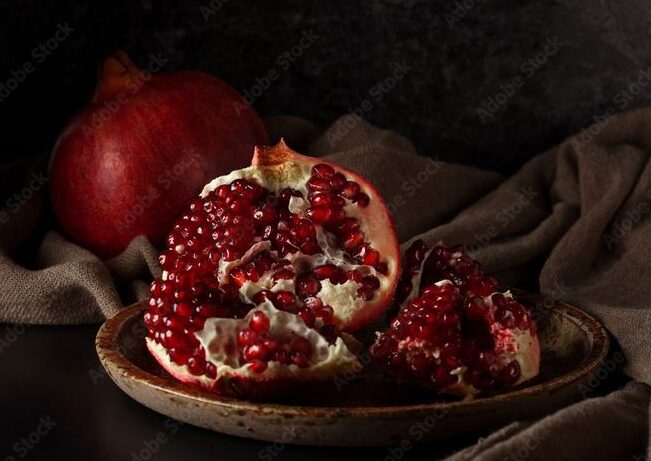
Bhagwa
Premium Export Variety
Nashik
Top Growing Region
Gulf
Primary Import Market
Farm Direct
Verified Sourcing
Why Indian Pomegranates Dominate Gulf Import Markets
India is among the world's top pomegranate producing countries, with Maharashtra alone contributing a significant share of the country's total output. The Gulf region — particularly UAE, Saudi Arabia, Kuwait and Qatar — is one of the most important export destinations for Indian pomegranates, driven by strong consumer demand and a large South Asian expatriate population.
The Bhagwa variety has become synonymous with Indian pomegranate export. Named for its deep saffron-red skin colour, Bhagwa consistently delivers the visual appeal, taste profile and shelf life that Gulf retailers and importers require. It has effectively displaced many competing varieties in premium supermarket channels across the Middle East.
What makes Bhagwa stand out? Deep red arils with high juice content (50%+), natural sweetness measured at Brix 15–17, minimal internal membranes, and thick outer skin that withstands the rigours of cold-chain export without damage — all make it the benchmark variety for Gulf buyers.
Indian Pomegranate Varieties and Key Growing Regions
While Bhagwa dominates export, Indian growers also cultivate other varieties. Gulf importers should understand regional differences — the same variety grown in different districts can show quality variation based on soil, water and climate conditions.
| Variety | Skin Colour | Aril Colour | Brix (Sweetness) | Export Suitability |
|---|---|---|---|---|
| Bhagwa | Deep saffron-red | Dark red, juicy | 15–17° | ⭐ Highest — Gulf preferred |
| Mridula | Dark red | Dark red, soft | 14–16° | Good — domestic + export |
| Ganesh | Pinkish-yellow | Pink, mild flavour | 13–15° | Moderate — domestic focus |
| Arakta | Red | Red, firm | 14–16° | Good — SE Asia markets |
| Ruby | Red with patches | Red, medium juice | 13–15° | Moderate |
Key growing districts for export-quality Bhagwa:
| District / State | Best Season | Quality Notes | Export Infrastructure |
|---|---|---|---|
| Nashik, Maharashtra | Oct–Feb (Ambe Bahar) | Highest colour, sweetness, shelf life | Excellent — established packers |
| Solapur, Maharashtra | Oct–Jan | Large size, good colour | Good |
| Sangli, Maharashtra | Nov–Feb | Consistent quality | Moderate |
| Bijapur, Karnataka | Sep–Dec | Good colour, slightly lower Brix | Developing |
| Anantapur, Andhra Pradesh | Aug–Nov | Good for early season supply | Moderate |
What Quality Parameters Do Gulf Importers Check?
Gulf importers — especially supermarket buyers in UAE and Saudi Arabia — evaluate pomegranates on strict quality parameters. Understanding these helps growers and exporters present the right product, and helps buyers specify what they need.
Fruit Size & Weight
Gulf supermarkets prefer 250g–400g fruit per piece. Grade A is 350g+ (premium retail), Grade B is 250–350g (standard retail), Grade C is 200–250g (food service / juice processing). Uniform sizing within each carton is mandatory.
Skin Colour & Appearance
Bhagwa skin should show minimum 75% deep red/saffron colour cover. Free from cracks, sunburn patches, insect damage or mechanical injury. Gulf buyers reject consignments with significant surface blemishes — appearance drives retail purchase decisions.
Brix Level (Sweetness)
Minimum 14° Brix is typically required for Gulf export. Premium buyers specify 15–17° Brix. Brix is measured at harvest using a refractometer — this single parameter is one of the strongest predictors of consumer acceptance in Gulf markets.
Shelf Life & Firmness
Export-grade Bhagwa pomegranates maintain quality for 60–90 days under cold storage at 5–7°C with 90–95% relative humidity. Fruit must be firm at time of packing — soft fruit indicates overripeness and will not survive transit.
Pesticide Residue Levels
UAE and Saudi Arabia follow Codex Alimentarius MRL (Maximum Residue Limit) standards. Exporters must provide a pesticide residue test certificate from an accredited lab. This is increasingly mandatory and consignments can be rejected at destination if residues exceed limits.
Aril Quality
Internal aril colour should be uniform deep red. Juice content above 50% of aril weight is preferred. Thin, soft seed kernels are a plus — Gulf consumers prefer pomegranates that are easy to eat with minimal seed hardness.
Export Certifications Gulf Pomegranate Importers Should Know
Phytosanitary Certificate: Mandatory for all fresh fruit exports. Issued by India's National Plant Protection Organisation (NPPO), certifying the consignment is free from regulated pests and diseases. Gulf customs will not clear fresh produce without this document.
Pesticide Residue Certificate: Increasingly required by UAE, Saudi Arabia and Kuwait. Issued by NABL-accredited labs in India, confirming pesticide levels are within Codex MRL limits. APEDA maintains a list of approved testing laboratories.
Certificate of Origin: Issued by Chamber of Commerce or Export Inspection Council, confirming Indian origin. Required for customs duty assessment and trade agreement benefits.
APEDA Registration: Indian fruit exporters should be registered with APEDA. While not as strictly mandated as for rice, APEDA registration signals a credible, compliance-aware exporter to Gulf buyers.
Cold Chain / Temperature Log: For premium shipments, buyers may request temperature monitoring data throughout transit — from pre-cooling at origin through arrival at destination port. This ensures cold chain integrity is maintained.
Pomegranate Packaging and Export Logistics to Gulf Markets
Packaging for pomegranate export is critical — improper packaging causes bruising and surface damage that leads to rejection at destination. Standard export packaging for Indian pomegranates to Gulf markets:
Corrugated Carton Boxes
4kg or 5kg double-wall corrugated cartons with individual fruit wrapping in foam nets or tissue paper. Each fruit is cushioned to prevent contact damage during transit. Cartons are ventilated for airflow during cold storage.
Individual Fruit Wrapping
Each pomegranate is wrapped in foam net sleeve before packing — this is standard practice for Gulf export. Foam nets prevent skin-to-skin abrasion during transit and maintain appearance at retail.
Reefer Container (Sea)
Sea freight requires refrigerated containers set at 5–7°C. Nhava Sheva to Jebel Ali (UAE) takes 7–10 days. Suitable for large volume orders where air freight cost is prohibitive. Pre-cooling at packhouse before stuffing is mandatory.
Air Freight
Mumbai / Pune to Dubai — 2–4 hours flight, 1–2 days total. Higher cost but preserves freshness. Preferred for premium Grade A fruit destined for upscale supermarkets in UAE and Saudi Arabia. Minimum loads typically 500kg–1MT per shipment.
How to Source Pomegranates from India — A Practical Checklist
If you are a Gulf importer looking to source fresh Bhagwa pomegranates from India, here is a practical step-by-step guide:
1. Plan Around the Season: Target the October–February Ambe Bahar crop for highest quality. Reach out to Indian exporters by August–September to plan volumes, pricing and logistics before the season begins.
2. Specify Your Grade: Clearly define fruit weight range (Grade A: 350g+, Grade B: 250–350g), minimum Brix level (14° or 15°+), colour coverage requirement (75%+ red), and carton size. Ambiguous specifications lead to quality disputes.
3. Request a Trial Shipment Sample: Ask the exporter to send 5–10kg sample cartons by air before committing to a sea freight order. Inspect skin appearance, firmness, Brix and aril colour yourself or through a local tester.
4. Verify Pesticide Residue Certification: Request the lab test certificate for the specific lot you are buying — not just a generic certificate. This protects you from border rejection in UAE or Saudi Arabia.
5. Confirm Phytosanitary Arrangements: Ask the exporter to confirm the Phytosanitary Certificate will be ready before vessel departure. Delays in this document can cause missed sailings and quality deterioration.
6. Start Small, Scale Up: For first-time sourcing from a new supplier, start with one reefer container or a few air freight consignments to assess real delivery quality before committing to larger seasonal volumes.
Frequently Asked Questions — Pomegranate Export from India
Looking to Import Pomegranates from India?
Triune Trades LLP is building fresh fruit supply partnerships connecting Gulf and Middle East importers with verified Indian pomegranate growers. We welcome enquiries from serious buyers across UAE, Saudi Arabia, Kuwait, Qatar and Oman.
Send Enquiry