
Basmati Rice Export from India - A Complete Guide for Middle East Importers
India is the world's largest basmati rice exporter, supplying UAE, Saudi Arabia, Kuwait and the broader Gulf region with premium long-grain aromatic rice. Triune Trades LLP is actively building basmati supply partnerships connecting Indian rice producers with international buyers.
1121
Top Export Variety
Gulf
Primary Import Market
APEDA
Certified Quality Standard
Farm Direct
Transparent Sourcing
Why India Dominates Global Basmati Rice Export
India accounts for over 75% of the world's basmati rice exports, with the Middle East being its largest consuming region. UAE, Saudi Arabia, Kuwait, Qatar and Oman together import millions of tons of Indian basmati rice annually making it one of the most significant agro trade corridors in the world.
The preference for Indian basmati among Gulf consumers is deeply cultural. Long-grain aromatic rice is a staple of Middle Eastern cuisine from biryani to kabsa and Indian basmati, particularly from Punjab and Haryana growing regions, consistently meets the quality benchmarks that Gulf importers demand.
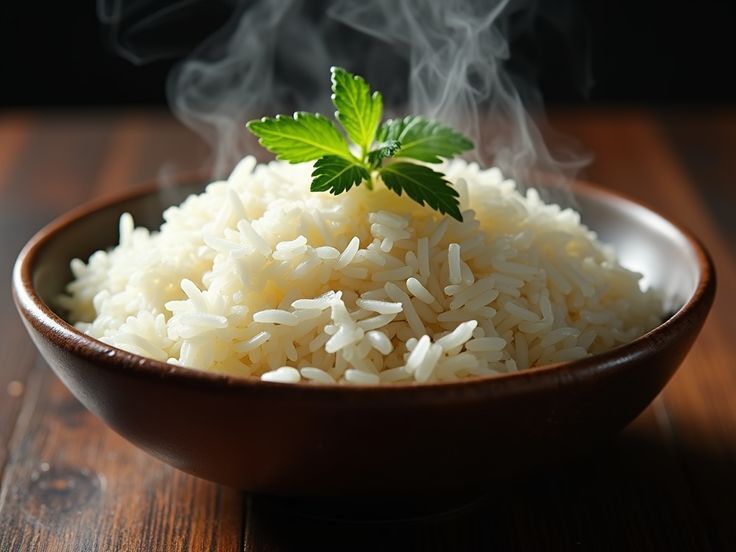
What makes Indian basmati stand out? The combination of extra-long grain length (7.5mm+ in premium varieties), intense natural aroma, non-sticky cooking texture, and fluffy appearance after cooking makes Indian basmati irreplaceable in Gulf kitchens both household and food service.
Popular Basmati Rice Varieties Exported from India
Not all basmati is the same. Indian exporters offer multiple varieties each with distinct grain characteristics, aroma profiles and price points. Gulf importers typically choose based on end-use and target retail segment.
| Variety | Grain Length | Aroma | Best For | Market Position |
|---|---|---|---|---|
| 1121 Basmati | 8.3mm+ (cooked) | Mild–Medium | Biryani, retail packs | Premium / High Volume |
| Pusa Basmati 1509 | 7.5mm+ | Medium | Food service, restaurants | Mid-range |
| Sugandha Basmati | 7.0mm+ | Strong | Everyday cooking, bulk | Economy export |
| Traditional Basmati | 7.2mm+ | Very Strong | Gourmet, specialty retail | Super Premium |
| Sharbati Basmati | 6.8mm+ | Mild | Bulk distribution | Value segment |
What Quality Parameters Do Gulf Importers Check?
Experienced Gulf importers evaluate basmati rice on specific quality parameters before finalising a supply agreement. Understanding these helps Indian exporters present the right specifications and helps buyers evaluate what they are receiving.
Grain Length & Slenderness
Raw grain length should be minimum 6.61mm for APEDA-certified basmati. After cooking, premium 1121 basmati should elongate to 18–20mm. Slenderness ratio (length:breadth) above 3.5 indicates high-quality basmati.
Moisture Content
Maximum 12–13% moisture is standard for export. Higher moisture accelerates spoilage during shipping. Importers in humid Gulf markets are particularly strict on this parameter.
Broken Grain Percentage
Premium grade basmati should have less than 2% broken grains. Higher broken percentage reduces cooking quality and market value. Sortex-cleaned rice offers lower broken grain counts.
Aroma & Appearance
Natural 2-acetyl-1-pyrroline compound gives basmati its characteristic aroma. Rice should appear white, translucent and free from discolouration. Chalky or opaque grains indicate poor milling or improper drying.
Export Certifications Indian Basmati Buyers Should Know
APEDA Registration: All basmati rice exporters in India must be registered with APEDA. The APEDA certificate validates that the exporter meets India's defined basmati quality standards and is authorised to export.
Phytosanitary Certificate: Issued by the Plant Quarantine authority, this confirms the rice is free from pests and plant diseases. Mandatory for import into UAE, Saudi Arabia and most Gulf countries.
Certificate of Origin: Issued by the Export Inspection Council (EIC) or Chamber of Commerce, confirming the product is of Indian origin. Required for customs clearance in Gulf countries.
Quality/Inspection Certificate: Third-party inspection agencies (SGS, Bureau Veritas, etc.) can verify grain specifications before loading. Many Gulf importers require this for the first few shipments.
Fumigation Certificate: Confirms the consignment has been treated against stored grain pests. Required by several Gulf markets before container entry.
Basmati Rice Packaging Available for Gulf Importers
Packaging preference varies by importer type. Retailers need consumer-facing packs; distributors prefer bulk bags. Indian exporters typically offer:
Retail Packs
1kg, 2kg, 5kg printed PP or non-woven bags suitable for supermarket shelves, private labelling, and branded retail in Gulf markets.
Bulk Export Bags
25kg and 50kg double-stitched PP woven bags standard for bulk importers, wholesale distributors and rice mills in the Gulf.
Custom / Private Label
Many Indian exporters accept custom branding — importers can print their own brand name and design on packaging for direct retail distribution.
Vacuum / Modified Atmosphere
Premium and aged basmati is sometimes packed in vacuum or nitrogen-flushed packaging to preserve aroma and shelf life for high-end retail.
How to Source Basmati Rice from India What to Look For
If you are a Gulf importer looking to source basmati rice from India, here is a practical checklist:
1. Verify APEDA Registration: Ask the exporter for their APEDA registration number and verify it on the APEDA portal. This is the most basic compliance check.
2. Request Grain Samples: Before placing any order, request a 500g–1kg sample for physical inspection, cooking test and aroma evaluation. Reputable exporters will send samples freely.
3. Clarify Specifications: State your exact requirements variety, grain length, moisture %, broken %, packaging format and target price. Get these confirmed in writing before any proforma invoice.
4. Start With a Pilot Order: For first-time suppliers, start with a small container (20 MT) to verify real-world quality matches the sample before committing to larger volumes.
5. Request Third-Party Inspection: For larger orders, ask for SGS, Intertek or Bureau Veritas inspection at origin before shipment.
Frequently Asked Questions Basmati Rice Export
Looking to Import Basmati Rice from India?
Triune Trades LLP is building basmati rice supply partnerships connecting Gulf and Middle East importers with verified Indian producers. We're open to enquiries from serious buyers across UAE, Saudi Arabia, Kuwait, Qatar and Oman.
Send Enquiry